Master key systems and exit hardware for small businesses
A small business collects keys without trying, and a plan on paper fixes more than a pile of new locks.
October 6, 2026 · 4 min read
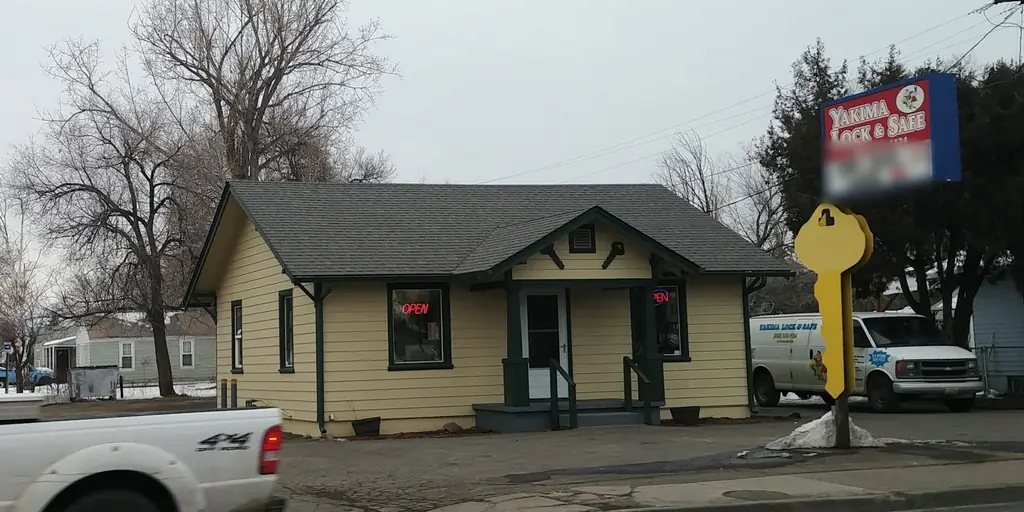
A small business collects keys without meaning to. Somebody hired years ago has one. A former manager might still. The cleaner has one, the landlord has one, and nobody wrote any of it down. When a lock gets rekeyed or a door starts to stick, that pile of keys becomes a problem, and a door that won't open properly in an emergency is a bigger one.
How a master key system works
In a master key system, each lock still has its own key, but there's also a master key that opens all of them. It works because of how the lock is built. A normal pin tumbler lock has pin stacks that must line up at one exact height for the lock to turn. In a master keyed lock, each stack gets an extra thin pin, so there are two heights that let the lock turn: one for the individual key and one for the master.
Larger buildings stack this into levels. A single key opens one door. A master opens a group of doors, such as every office on a floor. A grand master opens every group. Yakima Lock & Safe lists master key systems and rekeying for an entire building among its commercial services, so this kind of job is a normal part of the shop's work.
Plan it on paper first
The mistake with master keying is starting at the locks. Start with the people instead, and write the answers down.
- Who needs to get into which doors, and at what times?
- Which rooms should only one person ever enter, like an office with files or a room with a safe?
- Who holds the master key, and where does the spare live?
- How will you track keys that go out and come back?
- Do you expect to add rooms, tenants or staff in the next few years?
Every extra level in a master system adds some complexity to the lock, and more combinations mean more ways for a key to open a door it shouldn't. A good plan keeps the system as simple as the building allows. Ten minutes with a locksmith before anything gets pinned usually beats a rekey you have to redo.
Restricted keys and key control
A regular key can be copied almost anywhere. A high-security restricted key system uses key blanks that aren't freely available, so copies have to be ordered through the authorized source. Yakima Lock & Safe lists a high-security restricted key system, along with high-security locks and padlocks, among its commercial services. If keys have walked out the door with former employees, that's worth a conversation, and rekeying the whole building is the other half of the answer.
The shop also lists electronic access systems. These can make sense where you'd rather cancel one person's access than collect a physical key from them, though they come with their own setup and upkeep.
Panic bars, door closers and exit hardware
An exit door has one job above all: let people out quickly, without a key and without thinking. A push bar, also called a panic bar, lets someone leave by pressing a horizontal bar across the door. It's built for the moment when people are in a hurry, or scared, or both.
The shop lists push bar, panic bar and exit hardware, fire exit hardware, and door closers installed and repaired. A door closer is the arm at the top of a door that pulls it shut behind you. When a closer is too weak, the door hangs open or doesn't latch. When it's too strong, the door slams or gets hard to open for someone with a stroller, a walker or a loaded cart.
Questions about what an exit door in your building has to do belong with your local fire marshal or building inspector. A locksmith can then install and adjust the hardware that does what the door needs to do, and repair it when it starts to fail.
A walk-through before you call
Spend fifteen minutes with a notepad and walk every door, inside and out.
- Count the exterior doors, interior doors and any gates.
- Note which doors already have push bars, closers or electronic access.
- Check whether any door sticks, slams, or fails to latch.
- List who holds keys now, as best you can.
- Decide what you want to change: rekey everything, add a master, add access control, or fix what's broken.
Other trade work shows up in the same visit: break-in repairs, deadbolts and cabinet locks, and combinations changed on a safe are all on the shop's commercial list. A single walk-through with a locksmith can put several of these in one trip.
Yakima Lock & Safe offers a free estimate on its commercial locksmith services. Call (509) 248-1124, or visit the shop at 715 W Nob Hill Blvd and bring your door list with you.
Yakima Lock & Safe, (509) 248-1124
Call (509) 248-1124More articles
When the car won't start, it might be the key
Before you replace the battery or the starter, find out whether the car still recognizes your key.
Rekey or replace the locks after you move into a Yakima home
Nobody can tell you how many copies of the old keys are still out there, so deal with it before you unpack.